
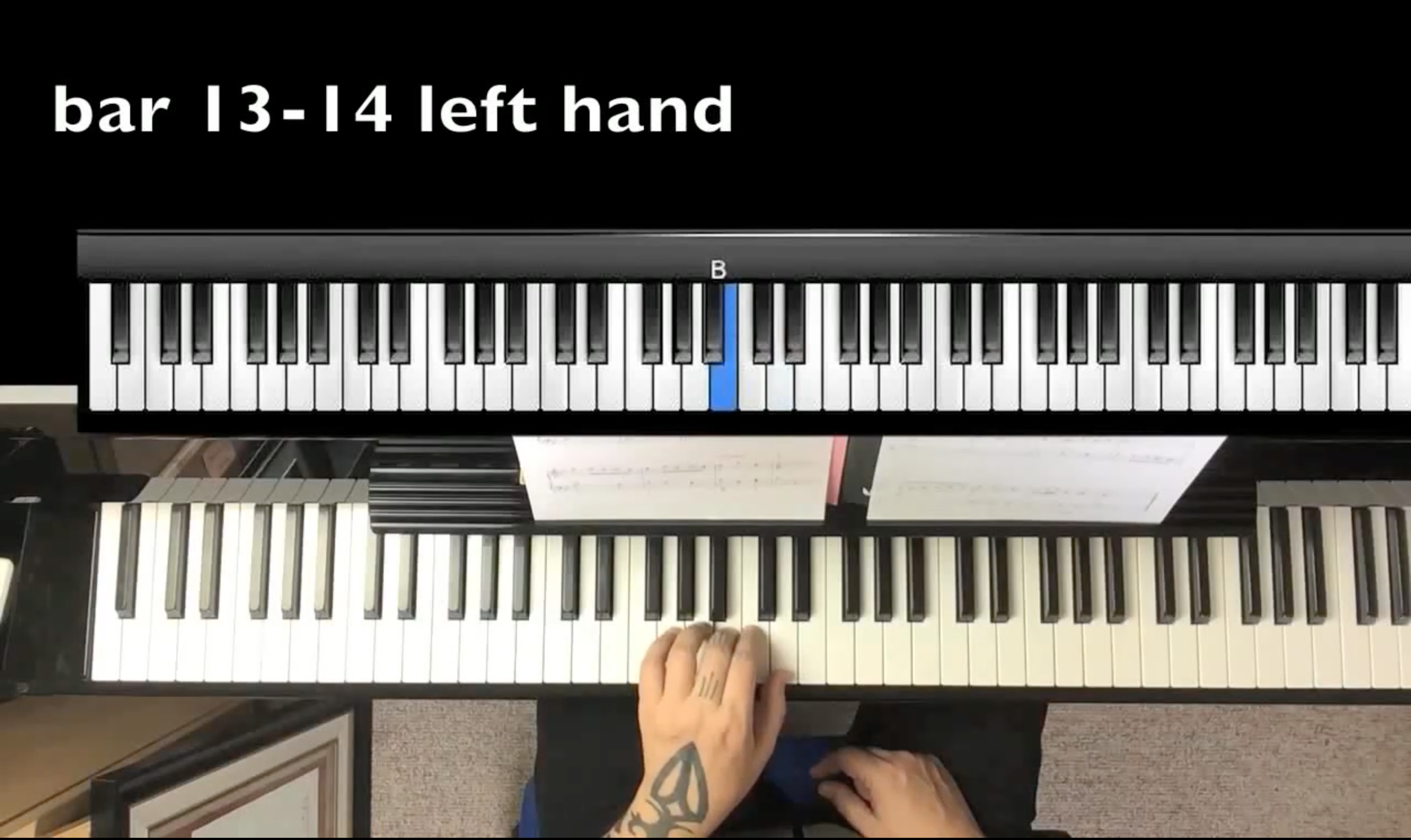
This 50-minute session is a full breakdown of Petzold’s Menuet in G Minor — but the practice strategies we work through apply to any piece at this level. If you’re stuck on something and not sure why, this is worth watching.
Most students struggle to progress because they end up practicing mistakes rather than solutions. In this breakdown of Petzold’s Menuet in G Minor, I walk through the piano practice strategies that actually work — breaking a piece into manageable chunks, working through technical hurdles like delicate mordents, and handling the kind of two-voice coordination that Baroque repertoire demands.
Timestamps
Jump straight to the technical challenges that are relevant to you:
- [01:55] Finger Changes: Why and how to change fingers on repeated notes to maintain flow.
- [03:16] Octave Leaps: Jumping accurately and confidently without tension.
- [14:38] The Mordent: Executing a quick exchange of notes with a light, delicate touch.
- [22:09] Two-Voice Texture: Managing the two lines – melody and bass.
- [26:15] Non-Legato Phrasing: Creating the correct sound through articulation.
Don’t just watch — practice alongside. The key is the “small chunks” strategy at the end of the video. If you can play the small bits, you can play the whole piece.
Piano Practice Strategies That Transfer
The reason I use exam repertoire like this for practice breakdowns is that the problems it presents — ornaments, voice independence, phrasing, coordination — are universal. The piano practice strategies demonstrated here work just as well on a pop arrangement or a jazz standard. The piece changes, the method doesn’t. Slow it down, isolate the problem, remove a layer of complexity, and build back up. That’s it.
If you’d like to work through repertoire like this with personalised guidance, get in touch — I’m looking forward to hearing your story.

Leave A Comment