
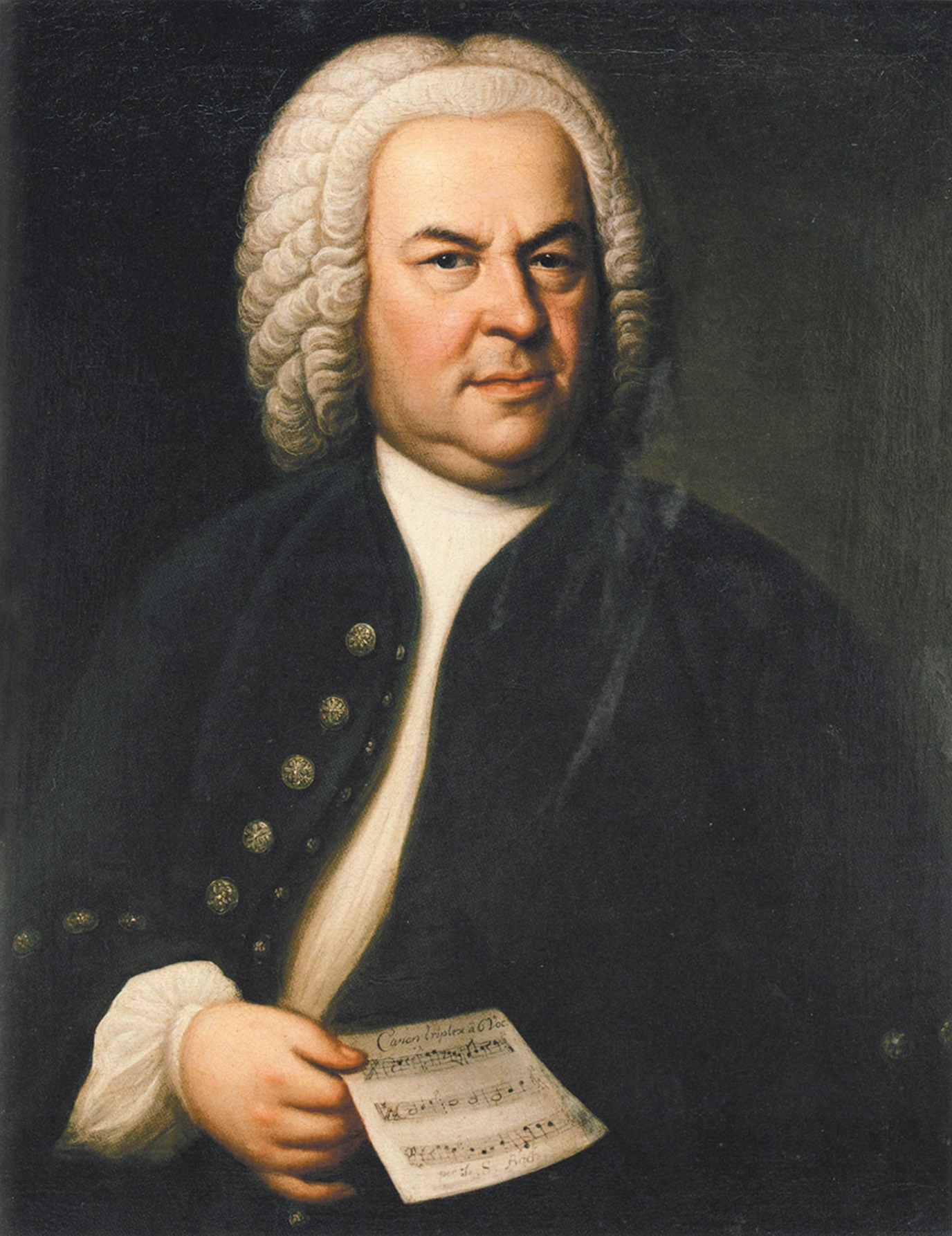
If you have ever felt like your hands have a mind of their own — and not in a good way — then the keyboard music by J.S. Bach will put them back in line.
In the video below, I perform Invention No. 1 (BWV 772) and Sinfonia No. 1 (BWV 787), both in C Major. These are essential pieces for the developing musician and composer because they take a single musical idea — a motif — and multiply it across various tonal regions.
Bach didn’t just write these as pieces; he wrote them as a comprehensive guide for students to develop a singing style of playing and, crucially, to learn how to manage two and three independent parts at once.
In addition to their value as technical exercises in two and three-part playing, I often tell my composition students that if they want to understand the concept of motivic manipulation, they must look at all the Inventions and Sinfonias.
J.S. Bach: Invention No. 1 and Sinfonia No. 1 Performance
Why These Pieces Matter for Your Practice
I like to think of the inventions and sinfonias as exercises in analysis and composition. Bach takes an idea and turns it upside down, stretches it out, and moves it between the hands. It demands active listening — you have to hear the dialogue between the parts — and very deliberate practice to get the coordination right. There are no shortcuts here, and that’s exactly makes them so valuable.
When you move from the two-part Invention to the three-part Sinfonia, the challenge ramps up considerably. Now you’re managing three independent voices with only two hands. It’s genuinely difficult — but once it clicks, the level of technical and musical freedom it unlocks is invaluable.
If you’re finding the hand independence in Bach challenging, the approach is the same as always: slow down and enjoy the process. There is no point in burying a mistake under a pile of fast repetitions. Take the hands apart, look at how the motifs connect, and build it back up snippet by snippet. If you’d like to work through pieces like these with proper guidance, get in touch — I’m looking forward to hearing your story.
Happy Practicing!
