
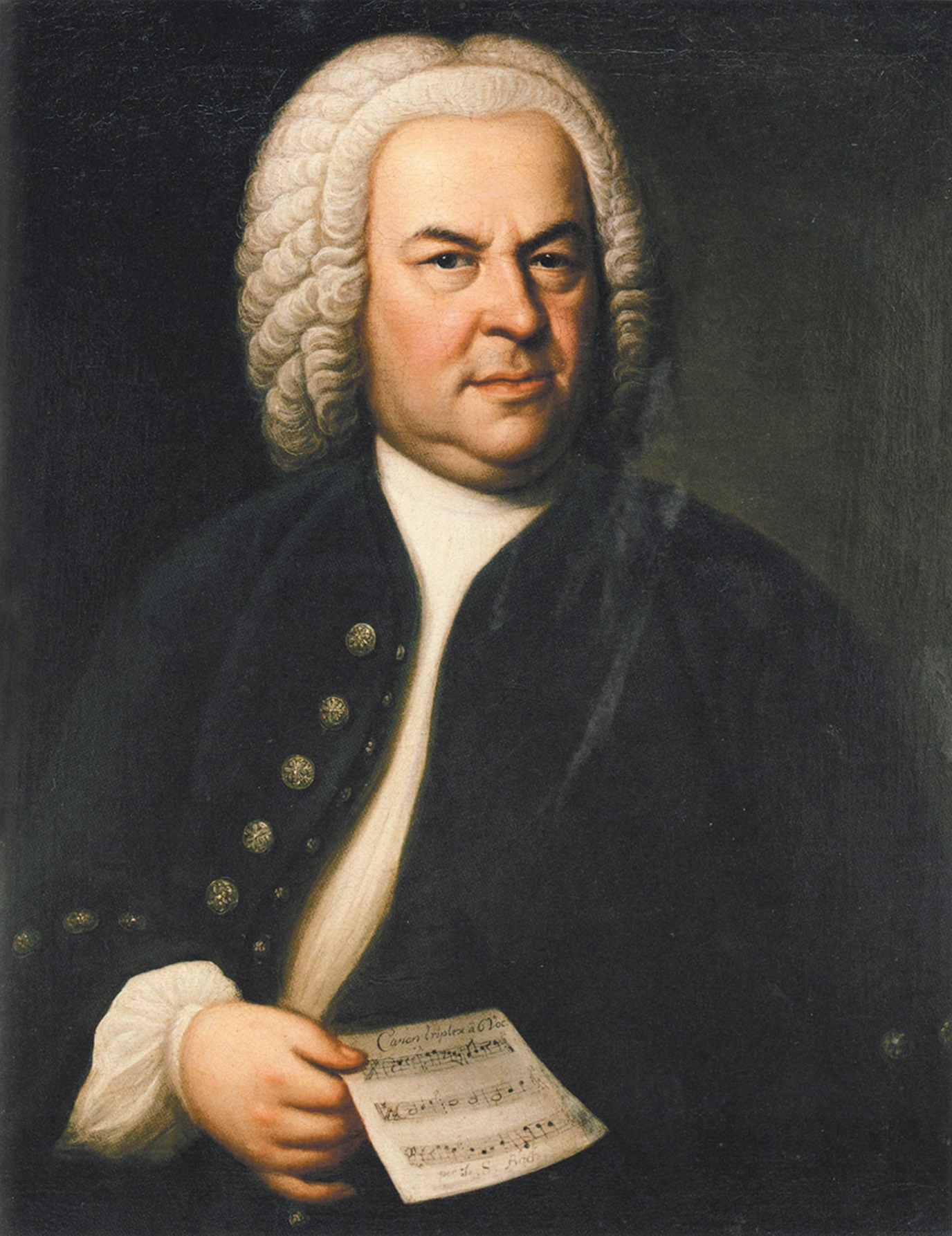
The Invention and Sinfonia No. 2 in C minor by J.S. Bach are essential works for developing independence between the hands. The Invention (BWV 773) focuses on two-part counterpoint and it’s practically a canon, while the Sinfonia (BWV 788) raises the stakes by introducing a third voice — which means three independent lines to manage with just two hands.
Practice Notes for Study and Performance
A few things worth keeping in mind while working through these pieces:
- Highlight the imitation: invention BWV 773 is practically a canon, so make sure you highlight the imitation by using articulations and dynamics in a consistent manner.
- Follow the subject: in both pieces but especially the sinfonia, make sure the main theme is heard clearly every time it enters in a new voice. If it gets buried, the whole point of the counterpoint is lost.
- Finger independence: The Sinfonia No. 2 is particularly tricky because the middle voice is often shared between the hands. Focus on keeping the motion smooth during those exchanges.
- Listen for the dialogue: Bach’s music is a conversation between voices. Try singing one part while playing the other — it forces you to actually hear the counterpoint rather than just play the notes.
As always with Bach: slow down, take the hands apart, and build it back up snippet by snippet. There’s no shortcut here — but once it comes together, it’s one of the most satisfying things you can play.
If you’re working through the Bach Inventions or Sinfonias and would like some guidance, get in touch — I’m looking forward to hearing your story.
